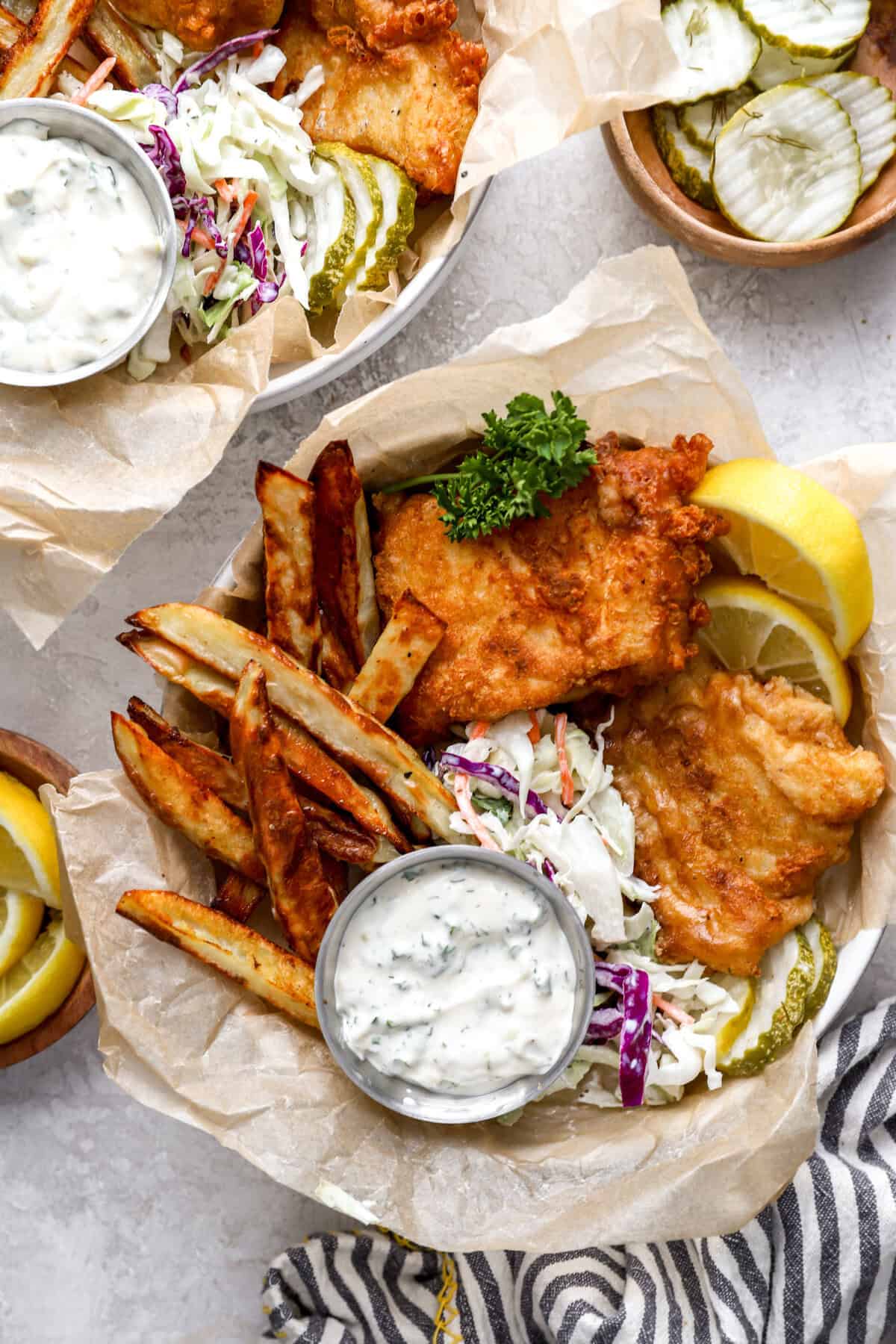
The comforting aroma of crispy, golden-battered fish alongside a generous portion of hot, savory fries is a culinary experience few can resist. Fish and chips, a true global classic, holds a special place in the hearts of food lovers everywhere. However, for those navigating dietary restrictions or simply seeking a healthier lifestyle, the traditional version often presents a dilemma. Laden with processed oils from deep-frying and a batter heavy in wheat flour, it's typically off-limits for gluten-free, dairy-free, or paleo-friendly diets.
Enter the revolutionary Paleo Fish and Chips. This ingenious reinvention offers all the satisfying crunch and rich flavor of the original, but with a clean, nutrient-dense twist. By making smart, intentional ingredient swaps and cooking method adjustments, this recipe transforms a beloved indulgence into a guilt-free pleasure. Prepare to discover the secrets to a truly crispy, golden-battered fish and perfectly seasoned oven-baked fries that will make you forget the traditional ever existed.
Why Choose Paleo Fish and Chips? The Healthier Revolution
The shift towards a paleo diet emphasizes whole, unprocessed foods, focusing on what our ancestors might have eaten. When applied to a dish like fish and chips, this philosophy doesn't mean sacrificing flavor; it means elevating it with better-for-you ingredients. The appeal of paleo fish and chips lies in its commitment to health without compromising on the iconic taste and texture we all crave.
- Gluten-Free & Grain-Free: One of the most significant advantages is the complete absence of gluten and grains. Traditional batters are wheat-based, making them unsuitable for individuals with celiac disease, gluten sensitivity, or those following a paleo lifestyle. This recipe swaps wheat for naturally gluten-free alternatives, ensuring everyone can enjoy this classic dish.
- Dairy-Free: Beyond gluten, many traditional batters or accompanying sauces might contain dairy. This paleo version is meticulously crafted to be entirely dairy-free, opening it up to even more dietary needs.
- Reduced Processed Oils: Traditional fish and chips are notorious for being deep-fried in often unhealthy, processed vegetable oils. Our paleo approach significantly reduces the oil content by opting for oven-baked fries and using healthy fats like avocado oil for a lighter pan-fry or shallow-fry for the fish. Avocado oil is a fantastic choice due to its high smoke point and beneficial monounsaturated fats.
- Nutrient-Dense Ingredients: From lean fish like cod or haddock to starchy Russet potatoes and fresh herbs, every component is chosen for its nutritional value, ensuring your meal is not just delicious but also wholesome and satisfying.
- Uncompromised Taste and Texture: This is perhaps the most crucial point. Many fear that healthy alternatives will lack the authentic experience. However, with the right techniques and ingredients, paleo fish and chips deliver the same delightful crunch of the batter and tender, flaky fish, paired with perfectly crispy fries, ensuring a truly satisfying meal. It truly goes Beyond Traditional: Why Paleo Fish & Chips Outshines the Classic in both health and surprising flavor depth.
The Secret to Crispy Paleo Fish: Tapioca Starch Unveiled
The heart of any great fish and chips lies in its batter – that perfect, golden, crispy shell that encases the tender fish. For a paleo fish and chips recipe, the challenge is to replicate this without relying on traditional wheat flour. The secret ingredient that makes this possible? Tapioca starch.
Why Tapioca Starch is a Game-Changer for Paleo Batter
Traditional batters often use wheat flour, which can lead to a dense, heavy coating when deep-fried. Tapioca starch, derived from the cassava root, offers a superior alternative for several key reasons:
- Unmatched Crispness: Tapioca starch creates an incredibly delicate, light, and airy crispness that truly mimics (and arguably surpasses) traditional wheat batters. This isn't a heavy, bready coating; it's a thin, golden shell that shatters with every bite.
- Grain-Free and Gluten-Free: Naturally free from grains and gluten, tapioca starch is a cornerstone for making this dish paleo-approved and accessible to those with sensitivities.
- Maintains Crispness: Unlike some other gluten-free flours that can become soggy quickly, tapioca starch maintains its delightful crispness even after cooling slightly, ensuring every piece of fish is a joy to eat.
- Light and Airy Texture: It prevents the batter from becoming dense or gummy, ensuring the focus remains on the flaky fish within.
- Excellent Adhesion: When combined with other ingredients like eggs, baking soda, and a touch of vinegar (which helps activate the baking soda for lightness), tapioca starch forms a batter that adheres beautifully to the fish fillets, preventing it from sliding off during cooking.
For cooking the fish, we move away from massive vats of deep-frying oil. Instead, a shallow pan-fry in a healthy oil like avocado oil is preferred. Avocado oil boasts a very high smoke point, meaning it can withstand higher temperatures without breaking down, preserving its beneficial monounsaturated fats. This method still achieves that gorgeous golden-brown color and irresistible crunch, but with significantly less oil absorbed by the fish, making your paleo fish and chips truly lighter.
Mastering the "Chips": Oven-Baked Perfection
The "chips" are just as vital as the fish in a classic fish and chips meal. While deep-frying is the traditional method, this paleo recipe embraces a healthier, yet equally delicious, approach: oven-baking. Achieving perfectly crispy, golden-brown fries without the deep-fryer is entirely possible with a few clever techniques.
The Secrets to Super Crispy Oven-Baked Fries:
- The Right Potato Matters: The foundation of great fries begins with the right potato. Russet potatoes are the undisputed champions here. Their high starch content is crucial for achieving that desirable fluffy interior and extra-crispy exterior when baked. Other potato varieties might result in softer, less satisfying fries.
- Precision Cutting for Uniformity: Consistency is key. Cut your Russet potatoes into evenly sized strips, aiming for approximately ½-inch thick. This ensures that every fry cooks uniformly, preventing some from being undercooked while others burn. Uniformity also contributes to a consistent crispness across the entire batch.
- The Cold Water Soak (Pro Tip!): This step is often overlooked but dramatically impacts crispiness. After cutting your fries, immerse them in a bowl of cold water for at least 30 minutes, or even up to a few hours. This process helps to remove excess surface starch, which can lead to soggy fries. After soaking, drain them thoroughly and pat them *completely dry* with a clean kitchen towel or paper towels. Any residual moisture will steam the fries instead of allowing them to crisp.
- Light Coating of Healthy Oil: Toss the dried potato strips with a generous but not excessive amount of avocado oil. Avocado oil is again preferred for its high smoke point and neutral flavor. Ensure each fry is lightly coated; too much oil will make them greasy, too little will prevent crisping.
- Strategic Seasoning: Simple is often best. A good quality sea salt is essential. You can also add black pepper, garlic powder, or paprika for extra flavor. Season after oiling, and toss to distribute evenly.
- Single Layer Baking: This is critical. Arrange the fries in a single layer on a large baking sheet. Do not overcrowd the pan. If the fries are too close together, they will steam instead of roast, leading to limp results. Use two baking sheets if necessary.
- High Heat and Flipping: Preheat your oven to a high temperature, typically 400-425°F (200-220°C). This high heat is crucial for developing that crispy exterior. Bake for 20-25 minutes, then flip the fries and continue baking for another 15-20 minutes, or until they are deeply golden brown and crispy to your liking. Keep an eye on them, as oven temperatures can vary.
By following these steps, you'll achieve oven-baked fries that are remarkably crispy on the outside and wonderfully fluffy on the inside, perfectly complementing your crispy paleo fish and chips.
Elevating the Experience: Homemade Tartar Sauce & Serving Suggestions
No plate of fish and chips is truly complete without the perfect accompaniment: a creamy, tangy tartar sauce. For our paleo fish and chips, store-bought sauces often contain sugar, unhealthy oils, or preservatives that don't align with a clean eating philosophy. Crafting a homemade tartar sauce is not only simple but also elevates the entire meal to an extraordinary level.
The Perfect Paleo Tartar Sauce
The key to a paleo-friendly tartar sauce lies in its base: avocado oil mayonnaise. This provides the rich, creamy texture without any dairy or unhealthy oils. To this, you'll add a vibrant blend of fresh ingredients:
- Finely Chopped Fresh Herbs: Dill and parsley are classic choices, offering brightness and a herbaceous counterpoint to the richness of the fish. Chives can also be a lovely addition.
- Tangy Additions: Capers and finely chopped pickles or gherkins are essential for that characteristic tangy, briny flavor profile. Their acidity cuts through the richness of the fried fish beautifully.
- A Squeeze of Citrus: Fresh lemon juice not only adds a zesty brightness but also helps to bring all the flavors together.
- Optional Kick: A pinch of cayenne pepper or a dash of hot sauce can be added for those who prefer a little heat.
Simply combine all ingredients and let them meld in the refrigerator for at least 30 minutes before serving. This allows the flavors to deepen and harmonize, resulting in a truly exceptional sauce that will take your paleo fish and chips from great to gourmet.
Beyond the Plate: Serving Suggestions
While the fish and chips are the stars, consider these additions to round out your meal:
- Fresh Lemon Wedges: A squeeze of fresh lemon over the hot fish is a must, enhancing its flavor and adding a refreshing zing.
- Crisp Side Salad: A simple mixed green salad with a light vinaigrette, or a paleo-friendly coleslaw made with a creamy avocado oil mayo dressing, provides a refreshing contrast to the richness of the meal.
- Baked Green Beans or Asparagus: For an extra dose of vegetables, lightly roasted green beans or asparagus spears can be a quick and easy side.
Whether you're hosting a weekend gathering or simply enjoying a fun weeknight dinner, this comprehensive approach to paleo fish and chips ensures a delicious, satisfying, and health-conscious meal that everyone will love.
Conclusion
The journey to creating the perfect paleo fish and chips is a testament to how traditional comfort foods can be reimagined for a healthier lifestyle without losing an ounce of their appeal. By embracing innovative ingredients like tapioca starch for an irresistibly crispy, gluten-free batter and smart cooking methods like oven-baking for golden fries, we've unlocked a version of this classic that is both indulgent and wholesome. The secret lies in understanding the science behind the ingredients and techniques, from the starchiness of Russet potatoes to the unique properties of avocado oil. Paired with a vibrant homemade tartar sauce, this dish proves that you truly can have it all: incredible flavor, satisfying textures, and a clean, nutrient-dense meal. So, next time that craving for fish and chips strikes, reach for this paleo-friendly recipe and savor a guilt-free pleasure that's truly revolutionary.
